In this video
Before your first sale
- A merchant account, or an account on a payments platform, approved before your first card sale.
- A way to take payment: a terminal, a point of sale or an online checkout.
- A business bank account for your deposits.
- Your summary box, read and kept. It lists each provider and how to reach them, your fees by card type, your equipment terms and how to cancel.
- Your merchant ID and your support number, written down where your staff can find them.
- Who fixes what: equipment problems go to whoever supports your equipment, deposits and fees to the company that signed you up.
Transcript
Your first card sale makes you a merchant. That one word comes with three things you need, and rules you've already agreed to.
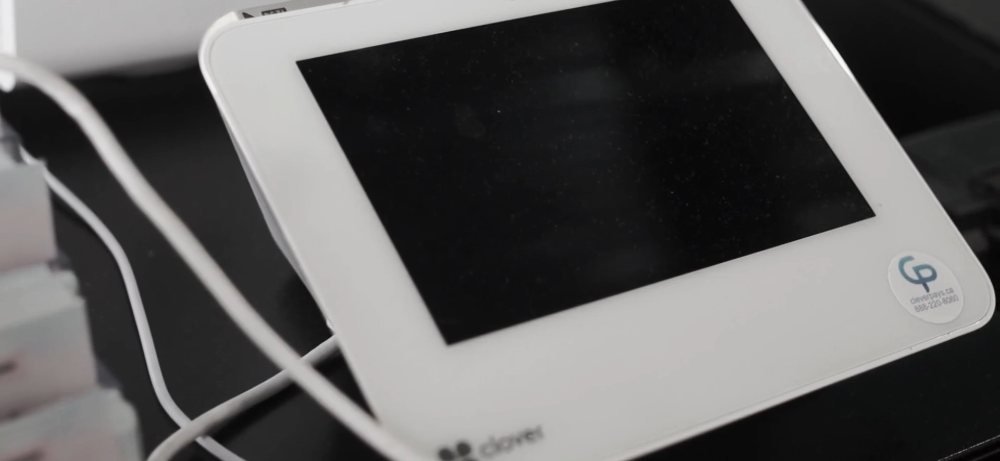
One: a merchant account, or an account on a payments platform. It's approved before you take a single card. Two: a way to take payment, like a terminal, a point of sale, or an online checkout. Three: a business bank account, where your deposits land.
Here's the catch. Your terminal can come from one company, your processing from another, and your deposits land in your bank. So when something breaks, you need to know who fixes what.
When you sign, you agree to three sets of rules. Your contract: the fees, the term, and how to cancel. The card networks' rules. And security rules that protect card data, called PCI.
The good news: in Canada, a federal code of conduct gives you rights too, like notice before a fee goes up, and a way out without penalty. That's episode 8.
Questions about your setup? Talk to a CleverPays specialist.
Dollar figures in the episodes are examples, not quotes. This is general information, not legal or financial advice.
Related pages
- What is a merchant account?: the account behind every card sale.
- What is PCI DSS?: the security rules that protect card data.
- The Code of Conduct for the Payment Card Industry: the rights the episode ends on.
- Payment processing: how CleverPays sets up card payments for a business.